
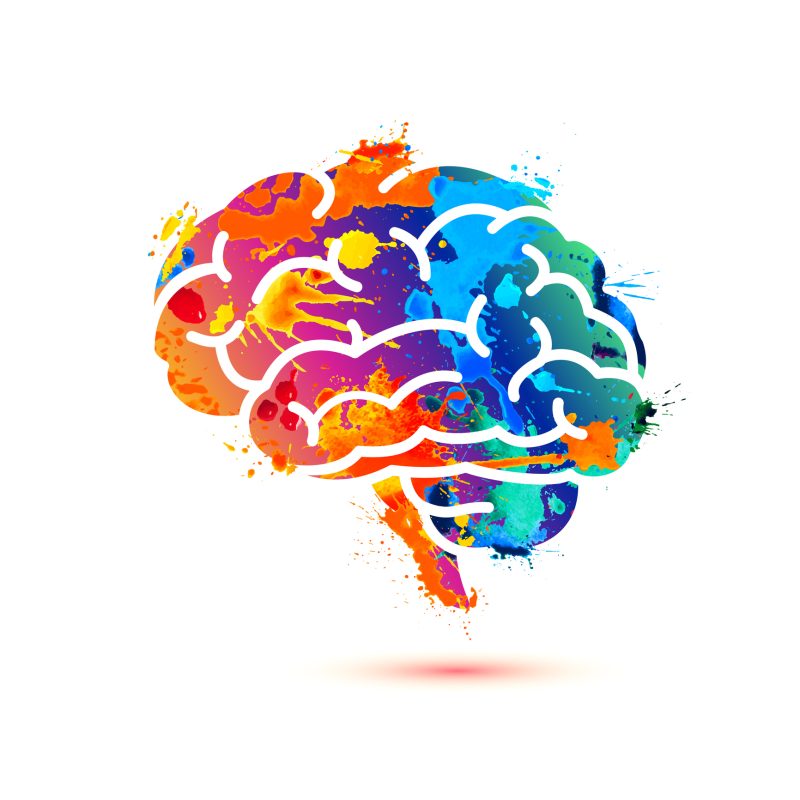
You’ve seen it before (and done it before yourself!) – the sudden outburst when a child or teen yells, slams a door, or bursts into tears over something small. One minute they are calm; the next their brain has gone rogue. What’s happening?
It’s not necessarily defiance or disrespect. It’s the brain doing what it’s wired to do: protect.
The science
Inside every brain lives two powerful team mates: The Guard Dog Brain (the amygdala or limbic system) – it’s fast, emotional and protective, and The Wise Handler Brain (pre-frontal cortex) – it takes its time, is logical and reflective.
When the Guard Dog senses danger (real or imagined), it barks! It might make a child fight, flee, freeze or try to appease. That’s normal – it’s Guard Dog Brain doing its job. The Wise Handler’s job is to step in and take control of the situation. But sometimes the Guard Dog barks too loudly and drowns out the Wise Handler, making it hard to think clearly in the moment.
Learning to calm the Guard Dog helps kids – and adults – stay wise, kind, and in control.
Our job as the big humans
We are the wise handlers of the wise handlers! When their Guard Dog barks, ours must stay calm. This is the moment to model emotional regulation – not just to manage behaviour but to teach the skill of self-management.
Managing the Guard Dog
Here’s what that looks like:
Stay steady. Even if their reaction feels personal, it probably isn’t. Their Guard Dog is protecting them, not attacking you.
Create safety first. Step aside, lower your tone, soften your body language. Show, through your calm, that the ‘danger’ is over.
Name what’s happening. “It looks like your Guard Dog is barking right now. Let’s give it a chance to settle.” Or ” It looks like you are upset. Let’s take a moment to breathe.”
Reflect when calm returns. Once they’ve reconnected with their Wise Handler, that’s when learning can happen.
Model recovery. If you lose your own cool, own it. Apologise. Repair. Show that big humans make mistakes too — and we can fix them.
Every time we do this, we teach children that feelings aren’t dangerous, and that calm is a skill that can be practised and learned.
Tips for educators, parents and carers
- Introduce and use the Guard Dog metaphor to normalise emotional moments or use age-appropriate language. It removes shame and creates a shared language to talk things through productively.
- Model co-regulation (helping them calm through your calm) “My Guard Dog’s a bit noisy now, so I’m taking a breath before I speak.”
- Give time after incidents – reasoning can only happen once calm returns.
- Stay calm, as difficult as that can sometimes be, during outbursts – your calm is the least that lets their Guard Dog settle.
- Afterward, talk about what their brain was trying to do, not just what the did.
- Avoid escalating by matching their volume or energy – go lower and slower.
- Use consistent, predictable routines that reduce social threat.
- Recognise small steps in emotional control: “You caught yourself sooner that time – that’s progress!”